1892 Madrid Exposition
About The Exposition
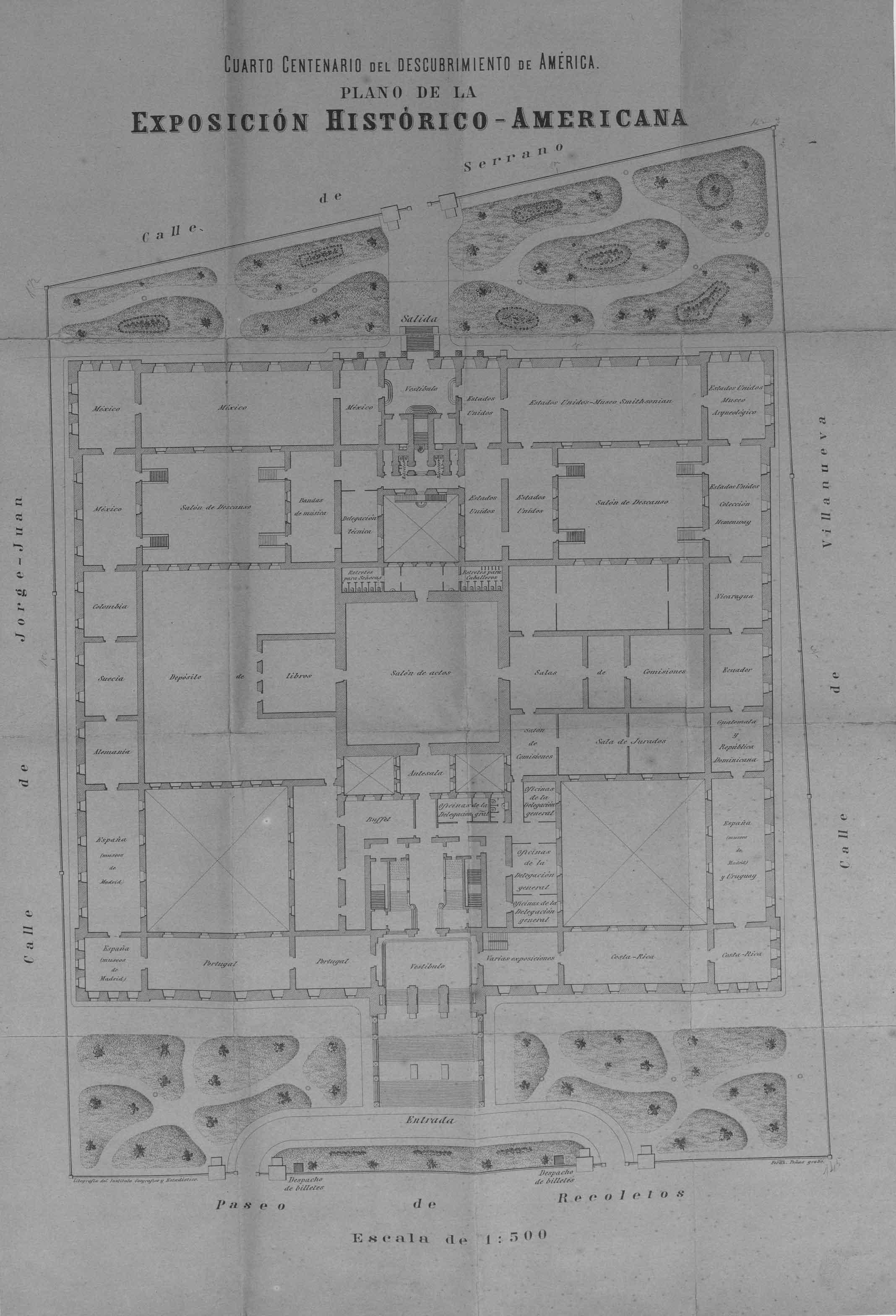
In 1892, Madrid hosted La exposición histórico-americana de Madrid (Historical-American Exposition) to celebrate the Fourth Centennial of the Discovery of America which ran from October 30, 1892 to January 31, 1893. The Exposition planning committee aimed to gather the largest number of original and replicated archaeological, anthropological, and ethnographic antiquities, and invited countries to send their finest items from national museums, scientific institutions, professional associations and private collections.
The following countries submitted items for display:
- Argentine Republic
- Bolivia
- Colombia
- Costa Rica
- Chile
- Denmark
- Dominican Republic
- Ecuador
- United States
- Guatemala
- Mexico
- Nicaragua
- Norway
- Peru
- Portugal
- Sweden
- Uruguay
- Spain and its overseas possessions
The Exposition ended up with close to 200,000 items being submitted overall.
Mexico at the Exhibition
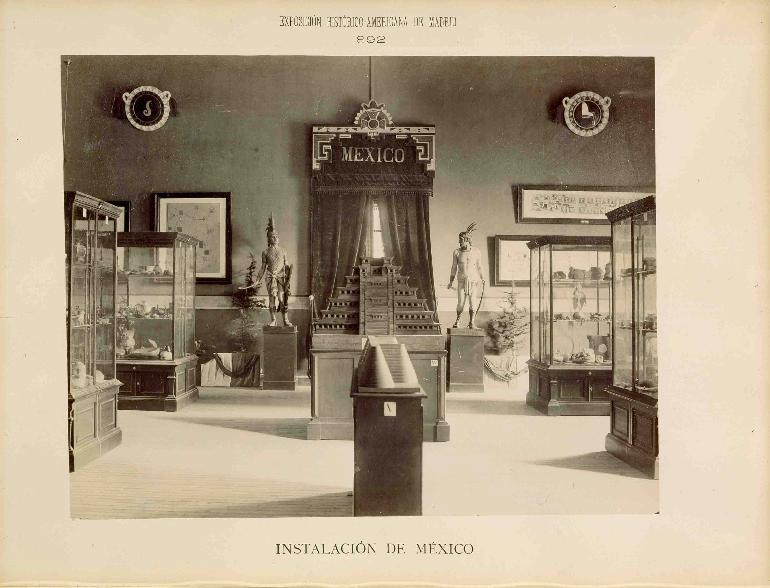
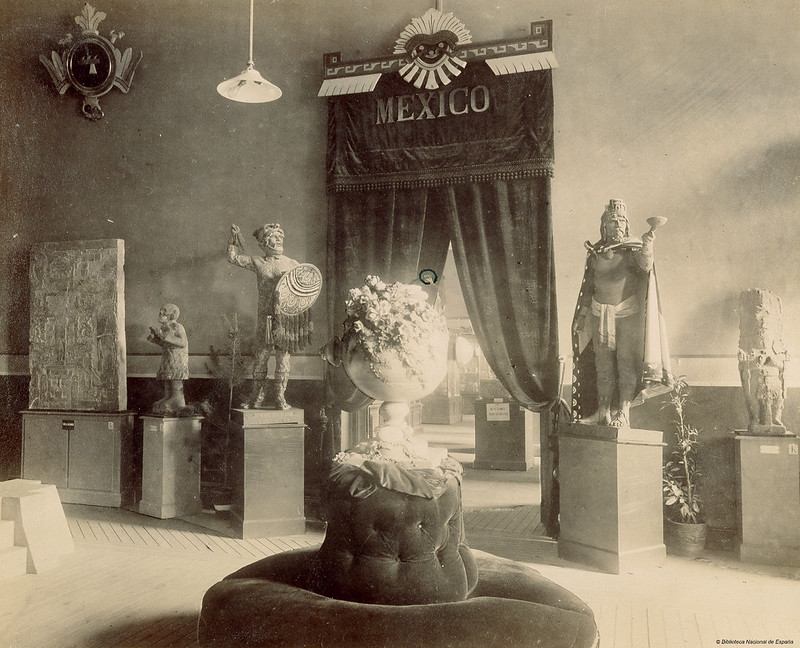
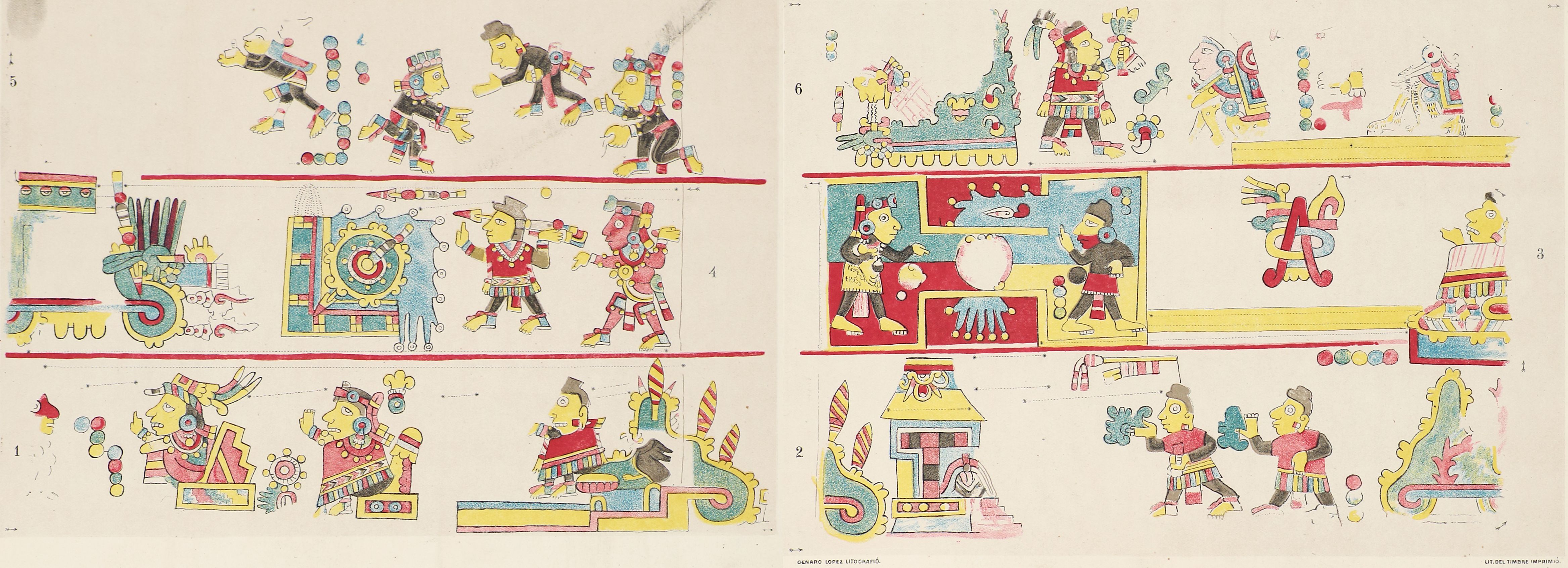
The Mexico section occupied five adjoining rooms bordering an inner courtyard. These rooms housed more than 18,000 pre-Hispanic, colonial, and nineteenth-century objects of various kinds (maps, books, photographs, paintings, costumes, plaster reproductions, and objects made of stone, wood, cloth, and clay). Antigüedades Mexicanas: Láminas was one of the facsimiles created for this celebration, officially titled Homenaje a Cristóbal Colón to align with the 1892 Madrid Exposition’s theme.
Within this vast display, facsimiles like those found in Antigüedades Mexicanas played a crucial role in translating Indigenous manuscripts for an international audience.